
Last Updated on September 23, 2026
Gap, Uneven Teeth, Wrong Color – Can Ceramic Veneers Fix All of It in Tampa Bay?
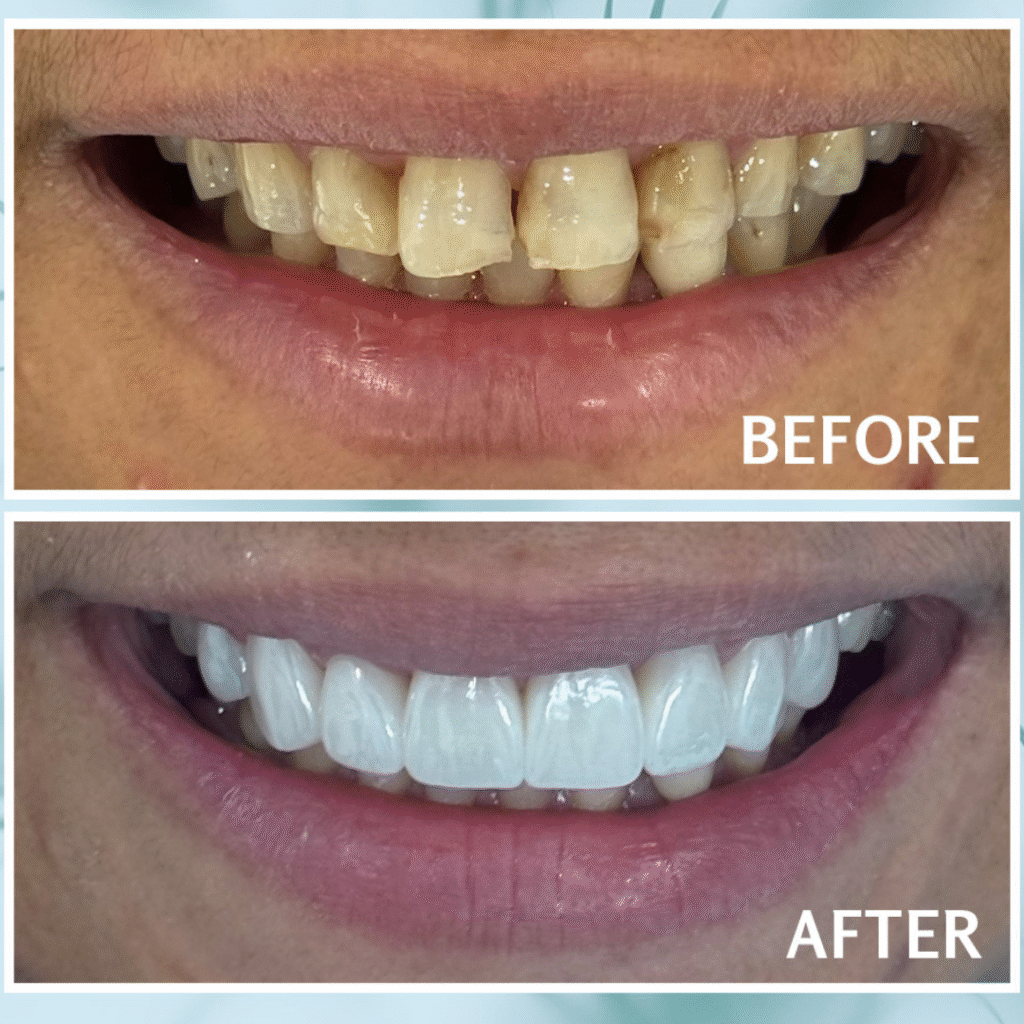
Yes. A gap between the front teeth, uneven or asymmetrical shapes, and a color you’ve never been happy with are three of the most common cosmetic complaints patients bring in, and all three can be corrected together with ceramic veneers or crowns. Each case is designed individually, so results look balanced and natural rather than generic.
Most patients who come in for a cosmetic consultation are dealing with more than one thing at once. It’s rarely just a gap. It’s the gap plus the shape plus the color that’s been bothering them for years. The good news is that these complaints aren’t separate problems requiring separate treatments. They’re usually part of one unified case, and they can all be addressed together. This article explains exactly how that works, what the treatment involves, and what realistic results look like.
Ready To Get Started?
Request your appointment at Riverview Dental Art. Discover complete health dentistry!
Call 813.358.4117Request AppointmentWhy Do So Many Patients Have Multiple Cosmetic Complaints at Once?
Gaps, uneven tooth shapes, and color dissatisfaction tend to develop together over time and are closely related structurally. A gap between the front teeth often affects the proportions of surrounding teeth, which in turn makes the smile look asymmetrical. Color issues are independent but compound the overall visual dissatisfaction. Treating them together produces a more cohesive, natural result than addressing each separately.
A lot of patients come in thinking their concerns are complicated, or that fixing everything would require some lengthy, multi-phase process. What Dr. Espino consistently finds is that these complaints, the space between the front teeth, shapes that don’t match, a color they’ve never liked, are all things that fall within the same treatment framework. They’re not unrelated issues stacked on top of each other. They’re part of how the smile presents overall.
The gap is usually the most visible concern. But once patients start describing it, the conversation naturally expands. Nothing’s perfectly symmetrical. One tooth is slightly longer than the other. The shade never looked right even after whitening. These are details that have been there for years and get noticed more over time, not less.
That’s actually useful from a treatment standpoint. When you’re designing a smile to close a gap, you’re already working on the shape of the adjacent teeth. You’re already making decisions about proportion and width. Adding color to that design is part of the same conversation. One case. One design. One result.
What Are Ceramic Veneers and Ceramic Crowns, and Which One Is Used?
Ceramic veneers are thin porcelain shells bonded to the front surface of natural teeth to correct their shape, size, spacing, and color. Ceramic crowns are full-coverage porcelain restorations that cap the entire visible tooth, used when greater structural correction or support is required. The choice between them depends on the degree of shape change needed and the underlying condition of each tooth.
For most gap closure and cosmetic correction cases, ceramic veneers are the primary tool. They’re placed on the front surface of the teeth, which means the natural tooth structure underneath is largely preserved. The veneer carries the new shape, the new proportion, and the chosen shade.
In some cases, a ceramic crown makes more clinical sense. If a tooth has significant existing damage, a large filling, or needs a more dramatic shape correction than a surface restoration can provide, a crown gives more complete coverage and support. The two aren’t interchangeable, but they’re also not mutually exclusive. A case might include veneers on most teeth and a crown or two where the clinical situation calls for it.
The decision is made tooth by tooth during the evaluation. Dr. Espino, with 15-plus years of cosmetic and restorative experience, looks at the condition of each tooth, the degree of shape change required, and the overall design before deciding which restoration type fits each position in the smile.
How Does Closing a Gap with Veneers Actually Work?
Closing a front tooth gap with ceramic veneers involves adding width to the teeth on either side of the space so the gap is distributed and closed proportionally. The veneers are designed to fill the gap while maintaining natural-looking tooth widths, ensuring the result looks balanced rather than crowded or oversized.
This is the part patients are most curious about, and it’s worth explaining clearly because the mechanics aren’t obvious.
A gap between the two front teeth, what dentists call a diastema, exists because there’s extra space in that part of the arch. Closing it with veneers means adding width to the teeth on either side of the gap. The space doesn’t disappear by moving teeth (that’s orthodontics). It gets distributed across the shape of the restored teeth so the overall smile looks closed and proportional.
The design question is how to divide that space in a way that looks natural. Adding all of it to one tooth would make that tooth look disproportionately wide. Splitting it evenly between the two central incisors is the most common approach, and when the proportions are worked out correctly, the result looks like the gap was never there.
That’s the part that requires experience. The design has to account for the natural width-to-height ratios that make teeth look realistic. When that ratio is off, the result can look blocky or flat. When it’s dialed in correctly, the new shape looks like it belongs.
Can Veneers Correct Uneven or Asymmetrical Teeth at the Same Time?
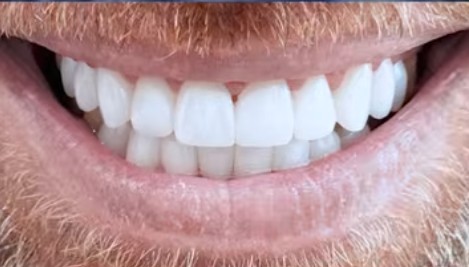
Yes. Ceramic veneers correct shape, length, and symmetry as part of the same design process used to close a gap or improve color. Each tooth is individually shaped within the overall smile design, so asymmetries and size mismatches can be corrected simultaneously without requiring a separate procedure.
Symmetry is one of those things patients notice without necessarily being able to name it. They’ll describe it as “nothing looks the same” or “one side just seems off.” What they’re usually seeing is a combination of slightly different lengths, different edge shapes, or width variation that makes the teeth read as unmatched.
When ceramic restorations are designed properly, every tooth in the aesthetic zone is considered in relation to the others. The central incisors, the laterals, the canines, all of them are shaped with the overall smile composition in mind. A tooth that’s slightly shorter than its neighbor gets brought up to a consistent length. One that’s chipped or irregularly shaped gets a consistent profile. The whole smile comes together as a designed unit rather than a collection of individual teeth that happen to be next to each other.
This is why the case Dr. Espino describes, gap plus asymmetry plus color, is actually very manageable. All three issues get addressed in the same design phase and corrected in the same set of restorations. Patients who come in thinking they have three problems often leave understanding they really had one case.
What About Color? Why Isn’t Whitening Enough?
Whitening treats the color of natural tooth enamel but cannot change tooth shape, close spaces, or correct structural asymmetries. When color dissatisfaction is combined with shape or spacing issues, ceramic restorations address all three simultaneously, including choosing the final shade as part of the design. Whitening alone cannot produce this result.
Whitening gets raised a lot, and it’s worth being direct about when it’s the right tool and when it isn’t.
If the only concern is shade and the teeth are otherwise well-shaped and properly proportioned, whitening can absolutely produce a meaningful result. But when the shade issue exists alongside a gap and uneven shapes, whitening the natural teeth and leaving the structure unchanged just gives you brighter versions of the same issues you started with.
With ceramic restorations, the shade is chosen as part of the design. Patients select the brightness and tone they want, and the porcelain is fabricated to that specification. The color is built into the restoration from the start, not added afterward. That means the final smile, in terms of shade, shape, spacing, and symmetry, all comes from one cohesive plan.
What Does the Treatment Process Look Like?
A cosmetic case addressing gaps, symmetry, and color typically follows three phases: consultation and smile design, temporary restoration placement for patient approval, and final ceramic fabrication and delivery. Most cases are completed within several weeks, depending on the scope and whether any prior restorative treatment is needed.
The process starts with a proper evaluation. Not just a look at the teeth, but a full assessment of the bite, the gum line, the proportions of the smile relative to the face. A gap closure that ignores gum symmetry can look off even when the teeth themselves are well-shaped. Getting the full picture first is what separates a good result from a great one.
From there, the smile is designed. At Riverview Dental Arts, all restorations are fabricated in-house, which means the design communication between Dr. Espino and the lab is direct. There’s no translation loss between what the patient approved and what gets fabricated. Temporary restorations are placed so the patient can see and experience the proposed result before anything permanent is finalized. Adjustments happen at that stage, not after the final ceramics are already made.
Final placement follows once the patient is satisfied with the temporaries and the ceramic restorations have been fabricated to match. For most patients, the whole process from consultation to final delivery takes a few weeks.
General dental health is always evaluated before any cosmetic work begins. Regular cleanings, checkups, and a healthy foundation matter. Cosmetic restorations placed on teeth with underlying health issues won’t hold up the way they should. Getting the health baseline right first is part of how the final result stays looking good long term.
How Much Does This Type of Cosmetic Case Cost in Tampa Bay?
At Riverview Dental Arts, ceramic veneers and crowns are priced at $500 per tooth with a minimum of six teeth treated. Total cost depends on how many teeth are included in the smile design and whether the case requires ceramic veneers, ceramic crowns, or a combination of both.
| Treatment Scope | Teeth | Riverview Dental Arts | Tampa Bay Average |
| Minimum case | 6 | $2,995 | $7,200–$12,000 |
| Front eight teeth | 8 | $4,000 | $9,600–$16,000 |
| Upper arch | 10 | $5,000 | $12,000–$20,000 |
| Full aesthetic zone | 16 | $8,000 | Up to $20,000+ |
| Consultation | – | Free | $75–$200+ |
Pricing at our practice is below Tampa Bay market rates because all ceramic restorations are designed and fabricated in-house. There are no external lab fees. The material quality is the same. The cost structure reflects direct fabrication without third-party markup.
Cosmetic veneers are generally not covered by dental insurance. If any teeth in the case have documented structural damage requiring crowns, partial coverage may apply depending on the patient’s plan.
What determines the final cost of a gap closure and smile correction case?
- Number of teeth treated: At $500 per tooth, total cost scales directly with how many teeth fall within the visible smile zone. A focused six-tooth case starts at $2,995. A full aesthetic zone treatment covering sixteen teeth is $8,000.
- Type of restoration needed: Ceramic veneers are used for front surface corrections where underlying tooth structure is sound. Ceramic crowns are indicated where structural support or more extensive shape correction is required. Crown preparation involves more clinical steps and may affect overall case scope.
- Case complexity: Cases requiring gum contouring, bite evaluation, or treatment across both upper and lower arches involve additional clinical planning that affects total scope and timeline.
- Prior restorative treatment needed: If decay, failing restorations, or gum issues need to be resolved before cosmetic work begins, those are planned and quoted separately from the cosmetic phase.
- Individual cosmetic goals: Some patients want to address only the two front teeth and their immediate neighbors. Others want a complete upper smile transformation. The scope is always determined by the evaluation and the patient’s goals together.
Is This the Right Time to Have Your Smile Evaluated?
If you’ve been living with a gap, teeth that don’t match in shape or size, or a color you’ve always wanted to change, the most practical thing you can do is come in for a proper look. Not to commit to anything. Just to understand what treatment would actually involve for your specific situation and what realistic results look like.
These are some of the most common cosmetic concerns Dr. Espino treats, and they respond well to a clear, structured plan. The evaluation takes the guesswork out of it. You leave knowing what the case involves, what the timeline looks like, and what it would cost.
Consultations at our office are free. Patients from across the Tampa Bay area, including Riverview, Brandon, Valrico, and Apollo Beach, are welcome. Browse the before and after gallery to see how vertical dimension cases look before and after treatment. The smile makeover page covers the full treatment process in more detail. When you’re ready, schedule your free consultation here.
Frequently Asked Questions
Can a gap between my front teeth be closed without braces?
Yes. A diastema (gap between the front teeth) can be closed with ceramic veneers without any orthodontic treatment. The veneers add width to the teeth on either side of the space, distributing it proportionally so the gap disappears within the overall smile design. This approach also addresses shape and color at the same time, which braces alone cannot do.
Will the veneers look natural if my teeth are currently very uneven?
Yes, when the design is done correctly. Ceramic veneers are shaped individually to create balanced, natural-looking proportions across the full smile. The design process accounts for width-to-height ratios, edge shapes, and how each tooth relates to its neighbors. Patients often find that the most noticeable thing about the result is that nothing looks obviously “dental,” it just looks like a good smile.
How long do ceramic veneers last when used to close a gap and improve symmetry?
Ceramic veneers typically last ten to fifteen years or longer with proper care. Longevity depends on oral hygiene, bite alignment, and whether the patient grinds their teeth. Patients who grind are usually fitted with a nightguard to protect the restorations. With regular dental checkups and good home care, most patients find their veneers remain in excellent condition well beyond the ten-year mark.
Is a free consultation enough to find out if I’m a candidate?
For most patients, yes. The initial consultation includes an evaluation of the teeth, bite, gum health, and overall smile proportions. Dr. Espino will be able to tell you whether veneers or crowns are appropriate for your case, how many teeth would be included, and what the timeline and cost would look like. Most patients leave the consultation with a clear understanding of their options and a realistic picture of what results they can expect.
At a Glance
- Who is a good candidate for ceramic veneers to close a gap and correct symmetry? Adults with a gap between the front teeth, uneven or mismatched tooth shapes, or long-standing color dissatisfaction are typically good candidates. Underlying dental health must be confirmed first: patients with active gum disease or untreated decay need to resolve those issues before cosmetic treatment begins. Once dental health is established, most cosmetic concerns of this type can be addressed in a single case.
- How long does the full treatment take from consultation to final placement? Most smile makeover cases involving gap closure, symmetry correction, and shade improvement are completed within several weeks. The process includes a consultation and design phase, temporary restoration placement for patient review and approval, and final ceramic fabrication and delivery. Cases requiring prior restorative treatment may take longer depending on what needs to be resolved before the cosmetic phase begins.
- How many veneers are typically needed to close a gap and balance the smile? The number depends on how many teeth fall within the patient’s visible smile zone and how extensive the design changes need to be. Most cases of this type involve six to ten ceramic veneers or crowns. Treating fewer than six teeth is often not enough to produce a cohesive, natural-looking result, since the untreated teeth remain visible alongside the restored ones.
- How long do ceramic veneers last? Ceramic veneers designed and placed by an experienced cosmetic dentist typically last ten to fifteen years or more with consistent oral hygiene and regular dental care. Patients who grind their teeth should use a nightguard to protect the restorations from wear. With proper maintenance, ceramic veneers are considered a long-term cosmetic investment, not a short-term fix.
- What advantages do ceramic veneers have over braces for correcting a gap and improving the smile? Ceramic veneers close the gap, correct tooth shape, improve symmetry, and upgrade the shade of the smile all in one treatment phase lasting weeks rather than years. Orthodontic treatment repositions teeth but cannot change their surface condition, color, shape, or proportion. Veneers also include a tested design phase where the patient approves the result before permanent placement, so there are no surprises in the final outcome.