
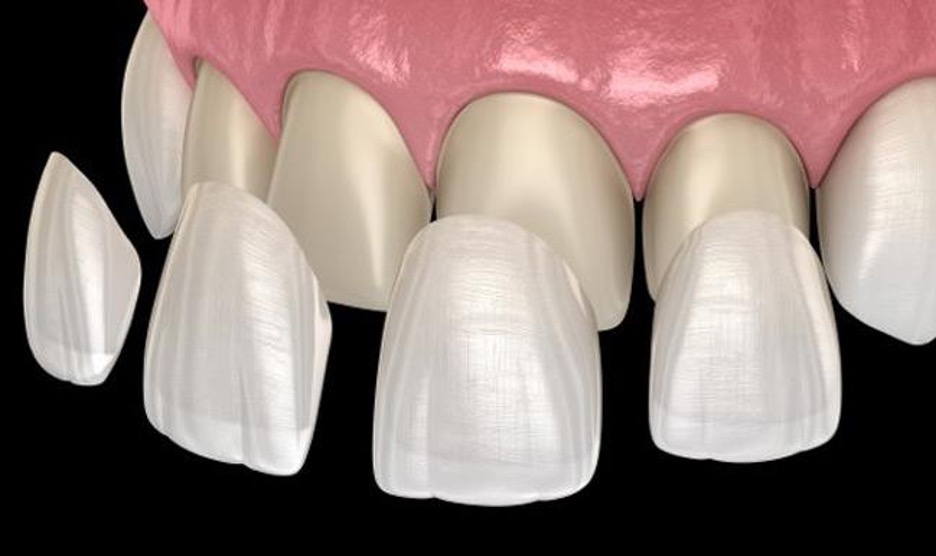
Porcelain veneers are thin, custom-made ceramic shells bonded to the front of your teeth to improve their color, shape, and alignment.
They work by covering imperfections such as stains, chips, gaps, or uneven teeth with a natural-looking surface.
The main benefits include:
- Long-lasting, stain-resistant results
- Natural appearance similar to real enamel
- Ability to fix multiple cosmetic issues at once
In most cases, porcelain veneers are ideal for patients who want a complete smile transformation.
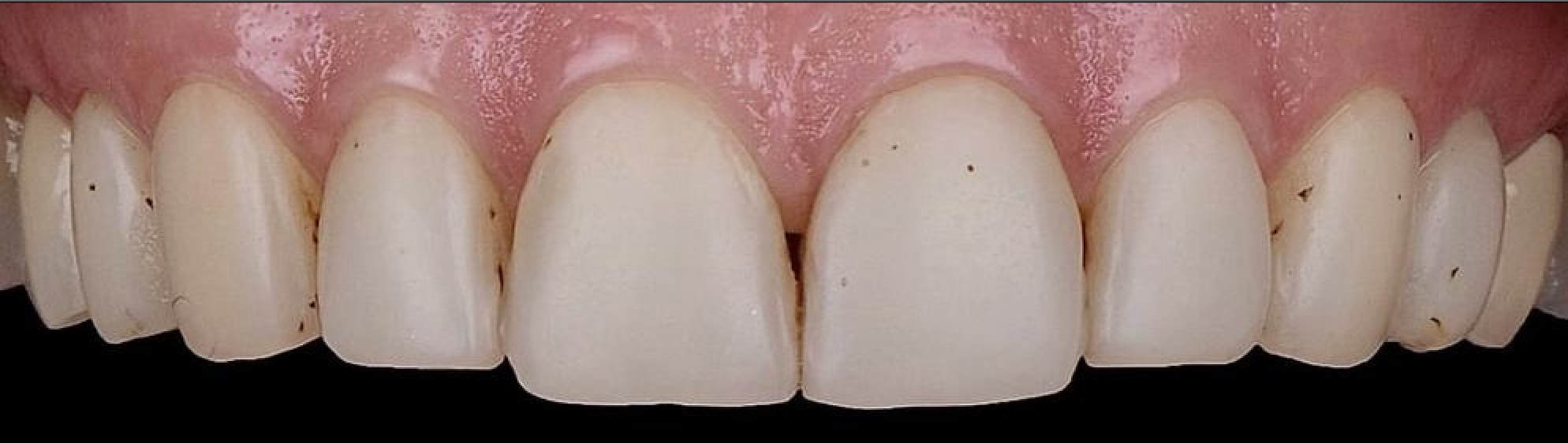
Before
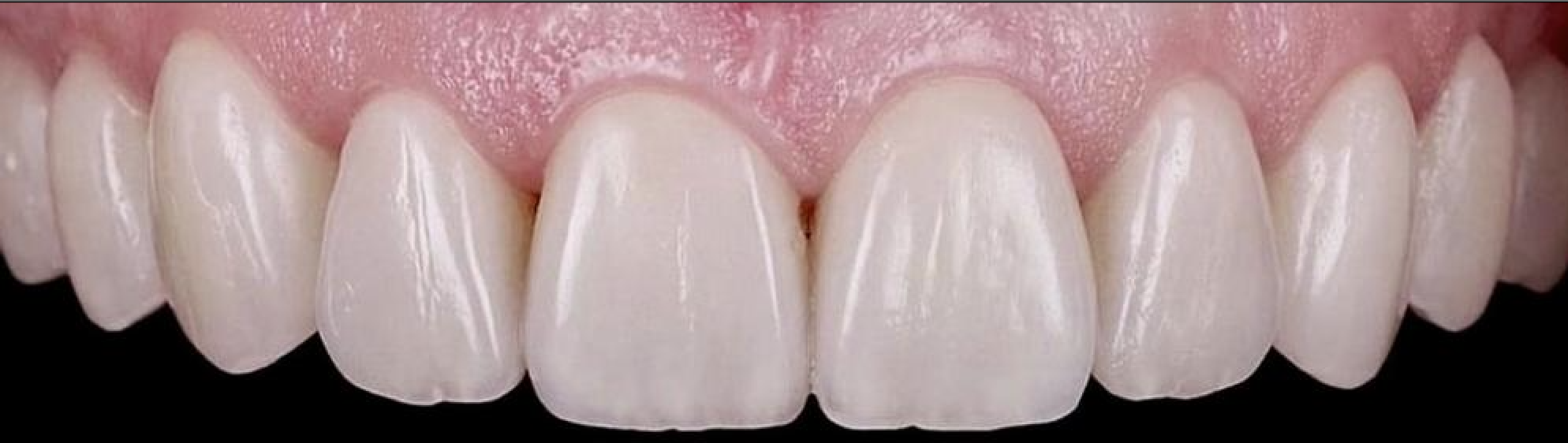
After
What Are Porcelain Veneers?
Porcelain veneers are ultra-thin ceramic shells that bond permanently to the front surface of your teeth. I’ve been placing them for over 15 years, and what makes them so effective is how closely they mimic the way natural enamel looks and reflects light. When they’re designed correctly, most people can’t tell the difference.
They are designed to:
- Improve color and brightness
- Correct shape and size
- Close small gaps
- Create a more balanced smile
Unlike crowns, veneers only cover the front of the tooth and require less structural change. That’s actually one of the reasons a lot of patients prefer them – we’re preserving more of your natural tooth while still getting a dramatic result.
They are one of the most popular cosmetic dental treatments because they provide a natural look while being highly durable.
What Problems Veneers Fix
In my practice, I see patients come in with all kinds of cosmetic concerns. Veneers are one of those treatments that can address several of those issues at once, which is why they’re often a core part of a full smile makeover.
Porcelain veneers are commonly used to treat:
- Discolored teeth that don’t respond to whitening
- Chipped or worn teeth
- Crooked or uneven teeth
- Gaps between teeth
- Teeth that are too small or misshaped
They essentially create a new outer surface for your teeth. And because we design them here in our on-site lab, I have direct control over the shape, color, and anatomy – which makes a real difference in how natural the final result looks.
How the Veneers Process Works
A lot of patients come in not really knowing what to expect. Here’s how the process actually works, step by step.
Step 1: Consultation
- Smile evaluation and goals discussion
- X-rays or digital scans
Step 2: Preparation
- A thin layer of enamel is removed
- Teeth are shaped for proper fit
Step 3: Custom Design
- Veneers are created in a dental lab
- Designed to match your natural teeth
Step 4: Placement
- Veneers are bonded permanently
- Adjusted for comfort and appearance
The process usually takes multiple visits to complete. Because we have an on-site lab here at Riverview Dental Arts, I’m able to oversee the design process directly – that level of control is something you don’t get at every practice.
Benefits of Porcelain Veneers
Key Benefits
- Natural, enamel-like appearance
- Strong and durable material
- Resistant to staining
- Long lifespan (often 10-20 years)
Porcelain Veneers vs Other Options (CRITICAL)
Porcelain Veneers vs Alternatives
|
Feature |
Porcelain Veneers |
Composite Veneers |
Teeth Whitening |
|
Durability |
High (10-20 years) |
Medium (5-7 years) |
Low |
|
Appearance |
Most natural |
Good |
Limited |
|
Cost |
Higher |
Lower |
Lowest |
|
Scope |
Full transformation |
Minor fixes |
Color only |
Who Is a Good Candidate?
Not every patient is the right fit for veneers, and I think it’s important to be straightforward about that. During your consultation, I look at the full picture – your gum health, your bite, how much enamel you have, and whether there are any underlying issues that need to be addressed first.
You may be a good candidate if you:
- Have healthy teeth and gums
- Want to improve multiple cosmetic issues
- Are looking for long-term results
You may not be a candidate if:
- You have active decay or gum disease
- You grind your teeth heavily
- You lack sufficient enamel
Grinding is one I pay close attention to. I’ve seen beautiful veneer cases fail years later because the grinding was never properly managed. If that’s something you deal with, we talk about it upfront so we can build a plan that actually holds up long-term.
Risks & Considerations (Trust Layer)
I always walk patients through the realistic side of this treatment before we move forward. You deserve to make a fully informed decision.
- The procedure is not reversible because enamel is removed
- Veneers can chip or crack under pressure
- They may need replacement over time
- Not suitable for all dental conditions
These aren’t reasons to avoid veneers – they’re just things every patient should understand going in. The good news is that with proper care and the right case selection, most patients enjoy their results for well over a decade.
FAQs
How long do porcelain veneers last?
They typically last between 10 and 20 years with proper care.
Are porcelain veneers permanent?
Yes, they are considered permanent because part of the enamel is removed.
Do veneers look natural?
Yes, porcelain mimics the light-reflecting properties of natural teeth.
Do veneers require special care?
No special care is required beyond good oral hygiene and regular dental visits.
Porcelain veneers are a long-lasting cosmetic dental solution that improves the appearance of teeth by covering imperfections with custom-made ceramic shells.
They are best suited for patients looking for a complete smile transformation with natural-looking, durable results.