
Last Updated on September 23, 2026
Why Do You Keep Getting Cavities? A Dentist Explains the Real Reason
Most people who keep getting cavities are not eating too much sugar overall. They are exposing their teeth to sugar too often. The frequency of sugar contact matters far more than the total amount consumed. Sipping on a sugary drink all day causes significantly more damage than drinking the same amount in one sitting during a meal.
Recurring cavities are one of the most frustrating things a patient can deal with. You brush, you try to watch what you eat, and you still leave every cleaning appointment with new decay. This article explains why that happens, what the actual cause of cavities is at the biological level, and how the timing of what you eat and drink matters far more than most people realize. The answer is almost always sugar, but probably not in the way you’ve been told.
Before the full explanation:
- Cavities are caused by sugar interacting with bacteria that naturally live in everyone’s mouth, not by sugar alone.
- How often sugar is present in your mouth matters more than how much sugar you consume in a day.
- Constant sipping on sodas, juices, or snacking on starchy foods keeps your teeth under acid attack all day. Eating the same things during meals is a very different situation.
Ready To Get Started?
Request your appointment at Riverview Dental Art. Discover complete health dentistry!
Call 813.358.4117Request AppointmentWhat Actually Causes a Cavity?
Cavities are caused by a specific interaction between sugar and bacteria. Certain bacteria naturally present in everyone’s mouth feed on sugar and produce acid as a byproduct. That acid breaks down tooth enamel over time, creating decay. The more frequently sugar is present in the mouth, the more acid is produced and the greater the damage.
It’s worth being clear about this because a lot of patients come in believing they just have “soft teeth” or bad genetics, and that’s why they keep getting cavities. Genetics play a small role in some cases. But for the vast majority of patients with recurring decay, the real driver is what’s happening in their mouth throughout the day.
Everyone has bacteria in their mouth. That’s not a hygiene failure. It’s just how mouths work. The bacteria we’re talking about thrive on sugar. When you give them sugar, they produce acid. That acid sits on the tooth surface and begins dissolving enamel. The goal of brushing and keeping bacterial counts low through regular care is to limit how much damage that process can do. But the bigger lever is controlling how often those bacteria have something to feed on in the first place.
Why Does Frequency of Sugar Exposure Matter More Than Total Amount?
When sugar is consumed during a meal and then cleared from the mouth, the acid attack on teeth is limited to a short window. When sugar is sipped or snacked on continuously throughout the day, the acid attack is essentially constant. Teeth have no opportunity to recover between exposures, which is what drives cavity formation in frequent sugar consumers.
Here is the clearest way to think about it. Picture two people who each drink three sodas a day.
The first person drinks one with breakfast, one with lunch, and one with dinner. The soda is present during the meal, mixed with other food, and then cleared. Their teeth experience acid exposure three times in short bursts.
The second person carries a soda with them all morning, a soda all afternoon, and a soda into the evening. They sip constantly. Their teeth are bathed in sugar and acid for the better part of twelve hours, with almost no break between exposures.
Same number of sodas. Very different outcomes.
The sipper is the one with cavity problems. Not because they consumed more sugar in total, but because their teeth never got a break from the acid. That’s the mechanism. That’s what’s driving the decay in most patients who feel like they can’t understand why they keep getting cavities despite not eating that much sugar.
What Foods and Drinks Are the Biggest Contributors?
Sodas, juices, and other sweetened beverages are the most common culprits because they are easy to sip on continuously throughout the day. Starchy snack foods including chips and crackers break down into simple sugars quickly in the mouth and are equally problematic when consumed as frequent small snacks rather than during structured meals.
Patients are sometimes surprised to hear that chips and crackers show up in this conversation. They think of sugar as candy or soda. But starchy foods convert to sugar rapidly once they enter the mouth. Crackers, chips, bread, pretzels, all of them feed the same bacterial process.
And they’re the kind of food people tend to graze on. A bag of crackers at the desk. A handful of chips every half hour while watching television. Small amounts, repeated throughout the day, with no meal structure around them. That’s the pattern that causes problems, not the occasional treat eaten at a meal.
The practical takeaway is this: it’s not that you can’t have sugar. The goal isn’t to eliminate sugar entirely, which for most people is neither realistic nor necessary. The goal is to cluster your sugar exposures. Eat the things you enjoy during meals. Avoid the habit of constant sipping and snacking between meals. Give your teeth windows of time without sugar present so the natural remineralization process has a chance to work.
Why Does Brushing Alone Not Prevent Cavities in High-Frequency Snackers?
Brushing reduces bacterial counts and removes food debris, but it cannot fully counteract the acid environment created by constant sugar exposure throughout the day. If sugar is reintroduced between brushing and the next meal continuously, the protective benefit of brushing is undermined by the ongoing acid attack between oral hygiene episodes.
A lot of patients brush diligently and still get cavities. This is one of the most demoralizing patterns in dentistry for patients to experience. They’re doing what they were told. They’re brushing twice a day. And somehow the decay keeps coming.
Brushing is important and it matters. But brushing twice a day while sipping on juice or soda all day in between is like mopping the floor while the tap is still running. The oral hygiene routine is working. The diet pattern is undoing it.
When patients understand this, it usually shifts how they think about cavity prevention. Brushing and flossing stay on the list. But what they’re drinking and how often they’re snacking becomes just as important a conversation, maybe more so in cases of recurring decay.
What Role Does General Dentistry Play in Cavity Prevention?
Regular preventive dental visits allow early decay to be identified and treated before it progresses to a point requiring more significant intervention. Professional cleanings reduce bacterial load on tooth surfaces in ways that at-home brushing cannot fully replicate, and clinical examinations catch problems when they are smallest and most treatable.
Prevention in dentistry is not a passive thing. It’s active, and it’s worth taking seriously. A cavity caught small, when it’s just a tiny spot of early decay, is a very different treatment from a cavity that has had time to grow into the tooth structure or toward the nerve.
Small cavities are small fillings. Bigger cavities are bigger fillings, or crowns, or in the worst cases, root canals. The clinical cost of waiting compounds with the biological cost of unchecked decay. Coming in regularly for preventive care is how that spiral gets interrupted.
Dr. Espino sees patients at Riverview Dental Arts in both Riverview and St. Petersburg. The philosophy is the same in both locations: keep bacterial counts manageable through professional care, catch decay early, and help patients understand what’s driving the problem so the pattern can actually change. Treating the cavity without addressing the diet is just chasing the same problem in a loop.
When Is a Filling Not Enough? What Happens When Decay Goes Too Far?
When decay is caught early, a filling is typically sufficient to restore the tooth. When decay progresses into the deeper layers of the tooth and reaches the pulp, more extensive treatment including root canal therapy may be required before the tooth can be restored. In the most advanced cases, the tooth may not be salvageable and extraction becomes the only option.
This is the end of the road that recurring, untreated cavities lead to. It doesn’t happen overnight. It happens gradually, through repeated cycles of decay that either weren’t caught early enough or weren’t fully addressed.
The small filling that could have handled the situation a year ago becomes a crown. The crown that could have handled it at that stage requires a root canal first. And eventually, for some patients, there’s nothing left to restore. That progression is not inevitable. But it is predictable, and it’s preventable with the right combination of dietary awareness and consistent preventive care.
How Much Does Preventive Dental Care Cost, and What Does Insurance Cover?
Preventive dental care, including routine cleanings and examinations, is covered at the highest rates under most PPO dental insurance plans, often at 100% with no deductible required. Restorative treatment for cavities, including fillings, is typically covered at 80% of the insurance-based rate at an in-network provider. More extensive treatment required when decay progresses is covered at lower percentages and carries higher out-of-pocket costs.
|
Treatment |
When It Applies |
Typical PPO Coverage |
Notes |
|
Cleaning and exam |
Every 6 months |
Often 100% |
Most plans cover two per year |
|
Filling |
Early to moderate decay |
~80% at in-network rate |
Smallest and least costly intervention |
|
Crown |
Extensive decay, structural loss |
~50% at in-network rate |
Required when filling is insufficient |
|
Root canal + crown |
Decay reaching pulp |
Root canal often partially covered |
More complex, higher total cost |
|
Extraction + implant |
Unsalvageable tooth |
Extraction often covered, implant varies |
Most expensive outcome, fully preventable |
Our office is in-network with most PPO insurance plans, which means preventive and restorative visits are billed at the insurance-agreed rate. Patients pay their plan’s percentage of that rate, with no surprise markups from above it. The team handles benefit verification and claim filing on behalf of patients so the cost picture is clear before treatment begins.
What determines the total cost of managing tooth decay?
- How early the decay is caught: Early decay means a small filling. Delayed treatment means a larger filling, a crown, or root canal therapy. The clinical cost of waiting is real and compounds over time.
- Number of teeth affected: Patients with recurring cavities often present with multiple teeth requiring treatment at the same visit. Each tooth is assessed individually and treated based on how far the decay has progressed.
- In-network versus out-of-network status: An in-network provider bills at the insurance-agreed rate. An out-of-network office sets its own fee and bills the patient the difference after insurance pays its share of the lower rate. For routine care across multiple visits per year, that difference adds up significantly.
- Complexity of the restoration needed: A filling is a simpler, faster, and less expensive restoration than a crown. A tooth requiring root canal therapy before it can be crowned involves additional clinical steps and higher total cost. Early treatment consistently limits the complexity of what’s needed.
Is It Worth Coming In Even If You’re Not in Pain?
Yes. And this is one of the most important points in dentistry that doesn’t get communicated clearly enough.
Cavities don’t hurt until they’re already significant. By the time a tooth is causing consistent discomfort, the decay has usually progressed past the point where a simple filling handles it. The patients who avoid the most complex and expensive treatment are the ones who come in before they feel anything is wrong.
If you’ve been skipping preventive visits because nothing hurts, or if you’ve been getting cavities repeatedly and haven’t understood why, both of those are good reasons to come in. The visit that finds nothing wrong is a good visit. The visit that catches a small cavity early is an even better one.
Consultations and new patient visits are available at both our Riverview and St. Petersburg locations.
When you’re ready to find out where you stand, schedule your free consultation here.
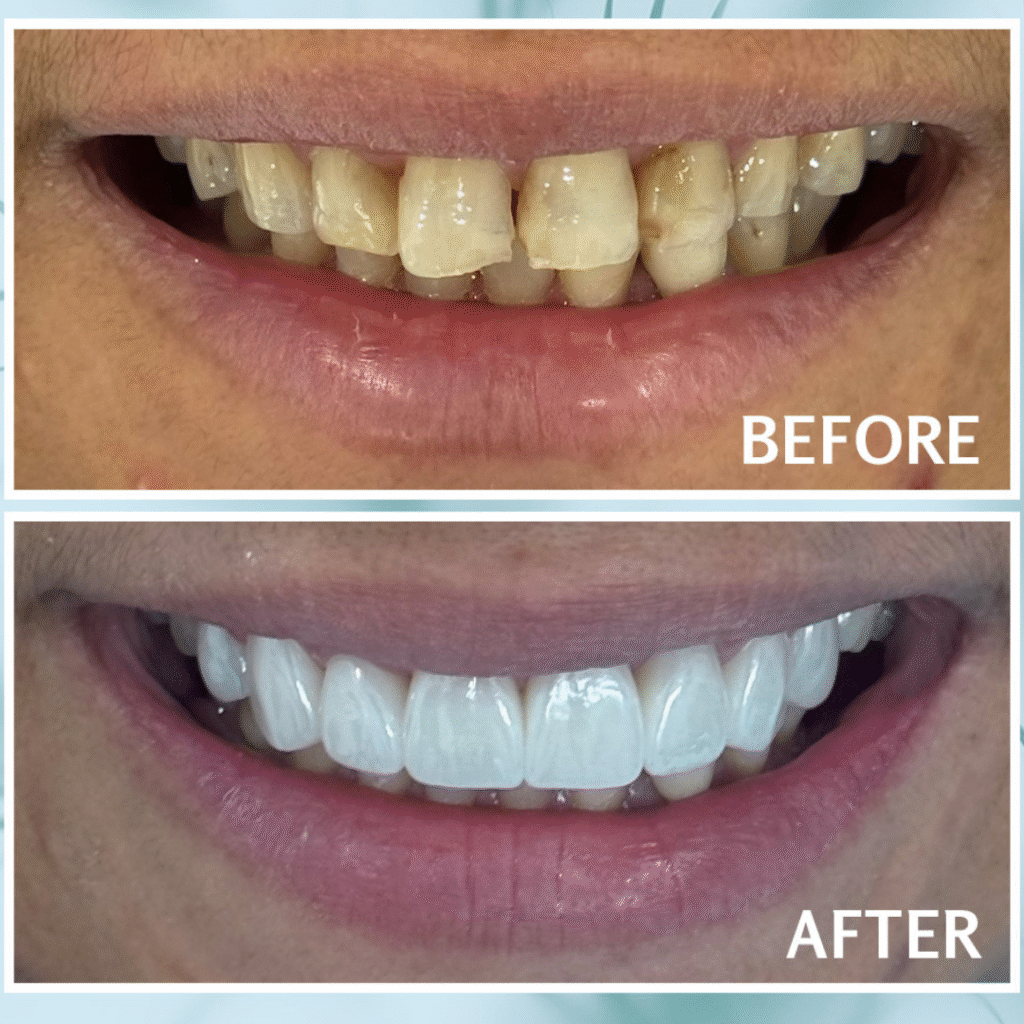
If you’re also curious about cosmetic treatment, free consultations are available. You can also browse the smile makeover page for an overview of cosmetic services. Browse the before and after gallery to see how vertical dimension cases look before and after treatment.
Frequently Asked Questions
Why do I keep getting cavities even though I brush my teeth?
Brushing twice a day is important, but it can’t fully protect teeth from acid exposure that’s happening all day long through frequent snacking and sipping. If you’re consistently eating or drinking sugary or starchy items between meals throughout the day, your teeth are under repeated acid attack that brushing alone can’t offset. Looking at how often sugar is present in your mouth, not just how much, is usually where the answer is found.
Is it the amount of sugar you eat or how often that causes cavities?
How often matters more than how much. Bacteria in the mouth produce acid whenever sugar is present. Short, infrequent exposures during meals give teeth time to recover between acid attacks. Constant exposure through all-day sipping or frequent snacking keeps teeth under acid attack without enough recovery time between episodes. Two people can consume the same total amount of sugar in a day and have very different cavity outcomes based purely on how that sugar is distributed across the day.
Can drinking soda cause cavities even if I brush regularly?
Yes, particularly if the soda is sipped over a long period of time rather than consumed during a meal. Soda contains both sugar and acid, both of which damage enamel. Sipping throughout the morning or afternoon means the teeth are bathed in sugar and acid continuously for hours. Brushing after those extended exposures helps, but it doesn’t fully undo the cumulative damage from hours of acid contact. Drinking soda quickly during a meal and then rinsing with water is a significantly lower-risk pattern than carrying a soda around for hours.
How often should I come in for preventive care if I’m prone to cavities?
Most patients benefit from two professional cleanings and exams per year, which most PPO plans cover fully. Patients with a history of frequent cavities may benefit from more frequent monitoring visits so that any new decay is caught as early as possible. The right interval for your specific situation is something Dr. Espino determines based on your current decay pattern, diet habits, and overall oral health status at your evaluation.
At a Glance
- Who is most at risk for recurring cavities? Patients who frequently sip on sodas, juices, or other sweetened beverages throughout the day, snack regularly on starchy foods between meals, or skip routine preventive care visits are at the highest risk for recurring decay. The pattern of constant sugar exposure throughout the day, rather than the total amount consumed, is the primary driver of cavity formation in most adult patients.
- How long does it take to treat a cavity once it is found? A small cavity caught early can typically be treated with a filling in a single appointment of roughly 30 to 60 minutes depending on the size and location. A cavity that has progressed to require a crown involves additional appointments for preparation and delivery of the restoration. A cavity that has reached the pulp requires root canal therapy before a crown can be placed, extending the treatment timeline further. Early detection consistently reduces both treatment time and cost.
- How many cavities does the average person with a frequent snacking habit develop? This varies by individual oral hygiene, saliva composition, and the specific types of sugar and starch consumed, but patients who sip sugary drinks or graze on starchy snacks throughout the day consistently present with more active decay than patients with structured meal patterns and no between-meal sipping. There is no universal number, but the frequency pattern is the single most predictive behavioral factor for cavity development in clinical practice.
- How long do fillings last once a cavity is treated? Composite fillings used to restore small to moderate cavities typically last seven to fifteen years or longer depending on the size of the filling, the location of the tooth, and the patient’s bite and dietary habits. Fillings in patients who continue frequent sugar exposure after placement are at higher risk for recurrent decay at the margins of the existing restoration. Addressing the dietary pattern that caused the original cavity is the most effective way to extend the lifespan of any restoration.
- What is the single most effective change for reducing cavity risk? Reducing the frequency of sugar and starch exposure between meals is the most impactful single change most patients can make. This means replacing all-day sipping with drinking beverages during meals and limiting between-meal snacks, particularly starchy or sweetened ones. Professional preventive care every six months catches anything that slips through and keeps the starting point for the next interval as clean as possible.