
Last Updated on February 13, 2026
How Ceramic Veneers Can Complete Your Smile After Braces
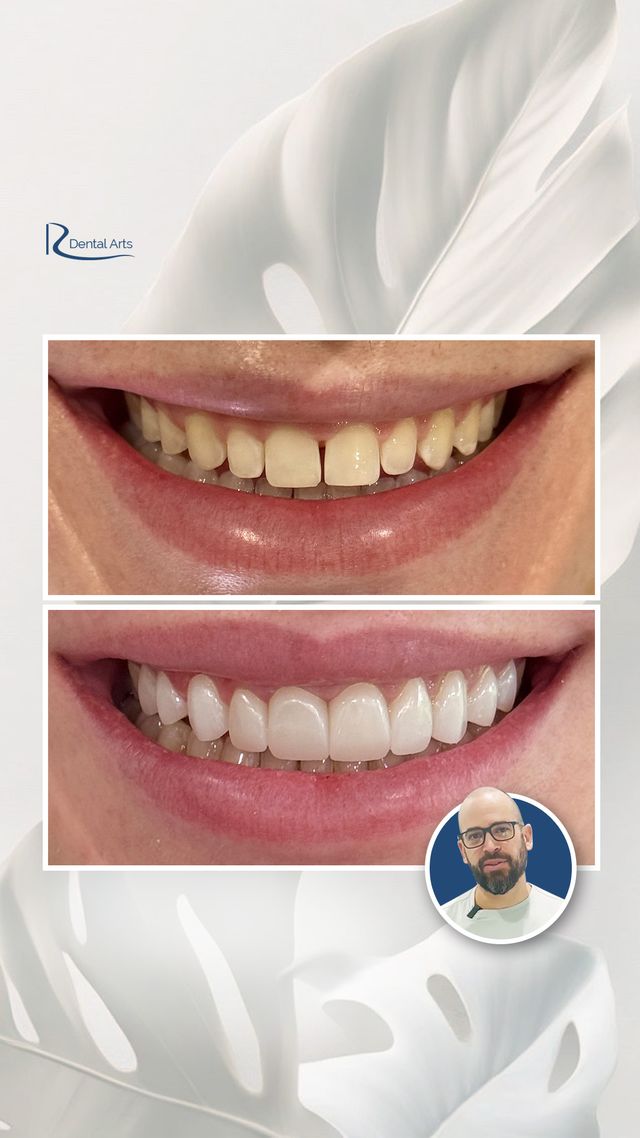
So this is a great example of a veneer case. Young lady who just finished orthodontic work. Got her teeth in alignment. But she felt like her teeth were too small. She had some gaps left after the braces came off.
And actually that was kind of planned that way with the orthodontist. Because we knew we were going to be doing veneers. Her teeth are just generally too small for the size smile that she has. She felt like she had baby teeth. Like an adolescent smile.
Ready To Get Started?
Request your appointment at Riverview Dental Art. Discover complete health dentistry!
Call 813.358.4117Request AppointmentWhat Dr. Espino Says About Post-Orthodontic Veneers
“This is a great example of a veneer case. This young lady just finished orthodontic work to align her teeth, but she felt they were too small.
She had small gaps left after the braces were done. This was planned with the orthodontist. We knew we would be doing veneers.
Her teeth are just generally too small for the size smile that she has. She felt like she was an adolescent, like she’s got baby teeth. And it’s a great veneer case.
We only need to add ceramic to the front of her teeth. This will give her a fuller, wider smile. It will also brighten her teeth. We can close some spaces. We will make sure everything is symmetrical. And we can do it in a very noninvasive way.”
Why Some Patients Need Veneers After Orthodontics
So here’s the thing. Braces do a great job of getting teeth straight.
Getting them in the right position. But they don’t change the size of your teeth. They don’t change the shape.
Some people have naturally small teeth. And when you straighten small teeth, you still have small teeth. Just straight ones.
And sometimes that creates gaps. Spaces that the orthodontist can’t fully close because the teeth themselves aren’t big enough to fill the space. That’s not a failure of the orthodontics. It’s just the reality of what you’re working with.
So in cases like this, we actually plan it with the orthodontist from the beginning. Get everything aligned. Get the bite right. And then we use veneers to add the volume and close the spaces.
What Makes This Case Minimally Invasive
This is a great veneer case because all we need to do is add ceramic on the front of the teeth. We’re not taking a lot of tooth structure away. We’re just adding.
Give her a fuller smile. Wider smile. Brighten things up. Close the spaces. Make sure everything’s symmetrical.
And we can do it in a very noninvasive way. Very minimal preparation. Very minimal touch to her teeth. Because we just need to add some fullness and close some spaces.
When you do it that way with ceramic veneers, very little reduction to the teeth. Very noninvasive. And we get a very nice outcome.
How Ceramic Veneers Add Volume and Close Gaps
So what are we actually doing here? We’re placing thin ceramic shells on the front of the teeth. And those shells are designed to add width. Add dimension. Fill out the smile.
When teeth are too small, you see too much space. Too much shadow. The smile looks narrow. Looks young. Immature even.
By adding ceramic, we can make the teeth proportional to the face. To the smile. We close the gaps that were left after braces. We add that natural volume that makes the smile look complete.
And ceramic mimics natural enamel. Has translucency. Reflects light the right way. So it doesn’t look fake or bulky. Just looks like fuller, more proportional teeth.
Why Coordination with Orthodontists Matters
IIn this case, we coordinated with the orthodontist from the start. That’s important. Because if we know veneers are in the plan, the orthodontist can move the teeth to set us up for success.
They don’t have to worry about closing every last millimeter of space. They focus on alignment. On bite. On getting the teeth in the right position for veneers.
And then we come in and finish the job. Add the volume. Close the spaces. Help the patient achieve the fuller, more confident smile they’ve wanted.
Not every case needs this. But when it does, having that coordination makes a big difference. Makes the whole process smoother. More predictable.
What Makes a Good Candidate for Post-Braces Veneers
So who’s a good candidate for this? Patients who’ve finished braces but still feel like something’s missing. Their teeth are straight, but they’re too small. Or there are gaps that couldn’t be closed.
Patients who feel like they have a young smile. Baby teeth. Even though they’re adults.
Patients who want more volume. More presence. A smile that feels complete and confident.
And patients who want to do it in a minimally invasive way. Because we are only adding volume, and not fixing major alignment issues, we can be conservative. We touch very little tooth structure.
The Process: From Braces to Veneers
Here’s how it typically works. Patient finishes orthodontic treatment. We wait a few months for everything to settle. For the bite to stabilize.
Then we do a consultation. Look at the smile. Talk about what the patient wants. What they’re hoping to achieve.
We take digital scans. Show them a preview of what the veneers will look like. Make sure we’re all on the same page.
Then we do minimal preparation on the teeth. Just enough to make room for the ceramic. Take precise impressions.
I design and fabricate the veneers in our on-site lab. Custom color. Custom shape. Custom contour. Everything tailored to that patient’s face and smile.
Final appointment, we bond the veneers in place. Transformation’s immediate. Patient sees the fuller, more confident smile they’ve been picturing.
Why Minimally Invasive Matters
When we can be minimally invasive, that’s always the goal. Preserve as much natural tooth structure as possible.
In this case, because we’re just adding volume and closing spaces, we don’t need to remove much tooth structure at all. Maybe just a light surface prep to help the ceramic bond properly.
That means less sensitivity. Faster recovery. And the teeth stay strong and healthy underneath.
Compare that to cases where we’re correcting major shape or alignment issues. Those might require more aggressive prep. But when we’re working with teeth that are already straight and healthy, just too small, we can be very conservative.
And that’s better for the patient. Better for the long-term health of the teeth.
What the Results Look Like
After we place the veneers, the smile looks fuller. More balanced. More proportional to the face.
The gaps are closed. The teeth have natural volume. Everything’s symmetrical and bright.
And it doesn’t look fake. Doesn’t look like veneers. Just looks like a complete, confident smile.
That’s what we’re going for every time. Natural results that make the patient feel good about themselves.
Is This Right for You?
If you’ve finished braces but still feel like your smile isn’t quite right, this might be the answer. If your teeth feel too small. If there are gaps that couldn’t be closed. If you want more volume and confidence.
Come in for a consultation. We’ll look at your smile. Talk about what’s possible. Show you what the results could look like.
And if veneers make sense, we’ll create a plan that’s minimally invasive and tailored to your specific needs.
No pressure. Just honest answers about what we can do to give you the smile you’ve been working toward.
View more of our smile transformation cases here.