
Last Updated on September 23, 2026
How Many Teeth Are in a Smile Makeover? Understanding the Aesthetic Zone
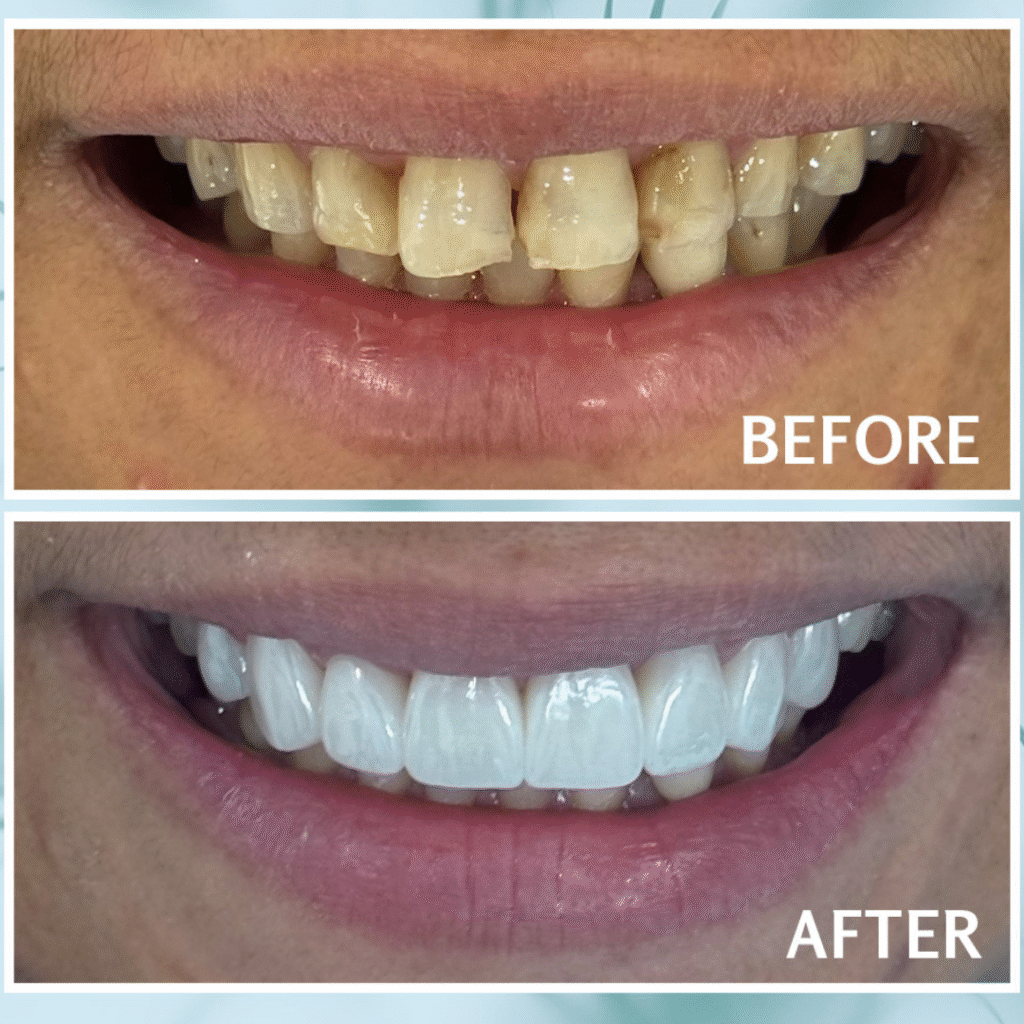
A smile makeover typically focuses on the “aesthetic zone,” which includes the 6 to 10 upper teeth visible when you smile. At Riverview Dental Arts, Dr. Derek Espino customizes each plan based on your unique facial symmetry and lip line. Whether using veneers or crowns, the goal is a natural-looking transformation that harmonizes with your features.
Ready To Get Started?
Request your appointment at Riverview Dental Art. Discover complete health dentistry!
Call 813.358.4117Request Appointment
What Exactly Is the Aesthetic Zone?
The aesthetic zone refers to the teeth that are visible during a full, natural smile, typically encompassing the upper six front teeth (canines to canines) and sometimes the premolars.
When we talk about “smile design” here in Riverview, we start with the aesthetic zone. It’s not just about the teeth themselves; it’s about how they frame your face. For most patients in the Tampa Bay area, this means focusing on the upper six teeth. However, if you have a wider smile, we might look at eight or ten teeth to ensure there aren’t “dark hallways” at the corners of your mouth. It’s a balance of clinical logic and artistic harmony.
How Many Teeth Do I Actually Need to Treat?
Most smile makeovers involve 6, 8, or 10 upper teeth. The exact number depends on the width of your smile and how many teeth are revealed when you speak or laugh.
A common question I get in the chair is, “Do I have to do all of them?” Not necessarily. If we’re just correcting a single chipped tooth, one crown might do. But for a full transformation, we usually work in even numbers—6 or 8—to maintain symmetry. If you’re coming in from Brandon or Apollo Beach for a consultation, we’ll actually measure your “smile display” to see exactly where the transition from treated teeth to natural teeth should happen so it looks seamless.
Why Do Veneers and Crowns Cost What They Do?
Quality cosmetic dentistry costs reflect the use of high-grade ceramics, the expertise of the dentist, and the precision of the dental lab. In-house labs often provide better shade matching and faster results.
I like to be transparent with my patients: you aren’t just paying for a piece of porcelain. You’re paying for the planning. At Riverview Dental Arts, we look at the bite (occlusion) to make sure your new smile doesn’t just look good but actually lasts. A lot of offices outsource to massive labs; we focus on custom characterization. When you see a veneer that looks “fake” or too white, it’s usually because the lab work lacked the translucency and texture that natural teeth have.
Veneers vs. Crowns: Which Is Right for My Makeover?
Veneers are thin shells used for aesthetic changes on healthy teeth, while crowns cover the entire tooth and are used when there is significant decay or structural damage.
This is a big one. Patients often assume they need veneers, but if the tooth has been heavily filled or is worn down from grinding, a crown is often the more predictable choice. The good news? Modern ceramic crowns look just as natural as veneers. We use the same high-end materials for both, so even if we mix them in one smile, you won’t be able to tell the difference.
Can Cosmetic Dentistry Still Look Natural?
Yes. By incorporating natural imperfections like slight translucency at the edges and varied surface textures, modern cosmetic dentistry avoids the “piano key” look.
The “Hollywood Smile” isn’t for everyone. Most of my patients in Valrico and FishHawk want to look like they were born with great teeth, not like they just had dental work. We achieve this by looking at “incisal translucency”—that little bit of light that passes through the edge of a natural tooth. If a veneer is opaque all the way to the edge, it looks like plastic. We avoid that at all costs.
Why Does the Lower Aesthetic Zone Matter?
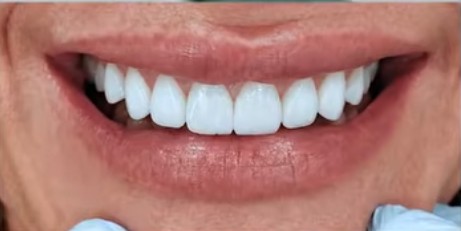
While the upper teeth are the stars of the show, the lower teeth often become visible when speaking. Whitening or minor bonding on the lowers ensures they don’t “clash” with your new upper smile.
A lot of people forget the bottom teeth. But if we brighten your top ten teeth to a beautiful, natural white and leave the bottoms stained or crowded, the contrast can be jarring. Sometimes, a simple professional whitening treatment for the lower teeth is all you need to complement a top-arch makeover.
Soft Conversion: Your Consultation at Riverview Dental Arts
If you’ve been hiding your smile in photos or wondering if whitening is enough, it might be time for a professional evaluation. Dr. Derek Espino has over 15 years of experience helping patients across Tampa Bay, from Apollo Beach to Brandon, achieve smiles that feel as good as they look. We don’t do “cookie-cutter” dentistry; we do dentistry that fits your face.
Frequently Asked Questions
How long does a smile makeover take?
Typically, the process takes 2 to 3 visits over about 3 to 4 weeks, allowing time for custom lab fabrication and precise fitting.
Is the procedure painful?
We prioritize patient comfort. Most cosmetic procedures are done under local anesthesia, and we offer sedation options for those who feel anxious.
How long do veneers last?
With proper care and regular checkups at our Riverview office, high-quality porcelain veneers can last 10 to 15 years or longer.
Does insurance cover a smile makeover?
Most insurance considers these elective “cosmetic” procedures, but if a crown is needed for structural reasons, a portion may be covered. We offer flexible financing to help make your goals attainable.